

 Español
  Français
  Deutsch
  Italiano
  Português
  Українська
  Русский
  Türkçe
  Polski
  Nederlands
  Čeština
  Svenska
  עברית
עברית  العربية
  فارسی
فارسی  简体中文
简体中文  日本語
日本語  한국어
한국어  हिन्दी
  Melayu
  Indonesia
  Tiếng Việt
 Ultrasonic Technology
This category explores the science and technology behind ultrasonic waves, their properties, and applications. Ultrasonic technology is used in a variety of fields, from medicine and manufacturing to environmental science and energy production. This category provides a comprehensive overview of ultrasonic technology, including its history, principles, and current research, offering a valuable resource for anyone interested in understanding the world of ultrasonic waves.
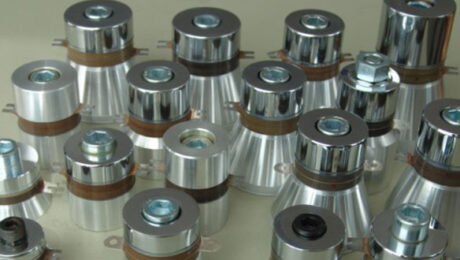
How Much Ultrasonic Power Should Be Used in Ultrasonic Cleaning
Ultrasonic cleaning has become a widely used technique across industries due to its efficiency in cleaning intricate and delicate objects. From medical instruments to automotive parts, ultrasonic cleaning harnesses high-frequency sound waves to remove contaminants effectively. However, one of the most critical factors in achieving optimal results is determining the proper ultrasonic power to use.
- Published in Ultrasonic Technology

How Can I Know if My Ultrasonic Cleaner Is Not Malfunctioning
Ultrasonic cleaners are highly efficient devices used for cleaning various objects, from delicate jewelry to industrial tools. They operate by generating ultrasonic sound waves that create cavitation bubbles in the cleaning solution, dislodging dirt, grease, and other contaminants. However, like any other equipment, ultrasonic cleaners can malfunction. Knowing how to assess your ultrasonic cleaner’s performance
- Published in Ultrasonic Technology
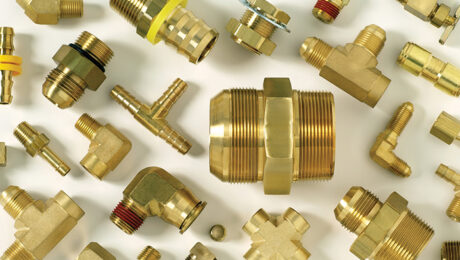
How to Clean Brass with Ultrasonic Cleaners
Brass is a durable and versatile metal commonly used in a variety of items such as musical instruments, cartridges, hardware, and decorative objects. Over time, brass can tarnish, collecting dirt, grease, and oxidation that diminishes its shine and appeal. Cleaning brass can be a tedious process if done manually, but ultrasonic cleaners provide an efficient
- Published in Ultrasonic Technology

When Should I Use a Glass Beaker During Ultrasonic Cleaning Process
Ultrasonic cleaning is a widely recognized method for removing contaminants from a variety of surfaces. Whether it’s delicate jewelry, medical instruments, or industrial components, ultrasonic cleaning ensures thorough cleanliness with minimal damage to the substrate. However, the use of a glass beaker in this process can be a highly effective approach, depending on specific circumstances.
- Published in Ultrasonic Technology

What Is a Biodiesel Reactor for Biodiesel Production
Biodiesel has emerged as a sustainable and environmentally friendly alternative to fossil fuels, offering reduced greenhouse gas emissions and renewable resource utilization. Central to the production of biodiesel is the biodiesel reactor, the equipment where the chemical conversion of raw materials into biodiesel takes place. This article explores what a biodiesel reactor is, its role
- Published in Ultrasonic Technology
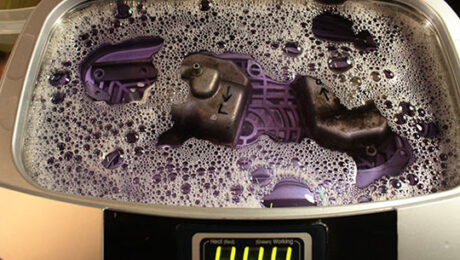
Two Main Types of Ultrasonic Cleaners
Ultrasonic cleaners have become indispensable tools across various industries, offering efficient, non-invasive cleaning for delicate and intricate items. Utilizing high-frequency sound waves to create microscopic cavitation bubbles in a cleaning solution, ultrasonic cleaners can remove contaminants with precision. Among the many types available, ultrasonic cleaners are typically divided into two main categories: single-tank systems and
- Published in Ultrasonic Technology
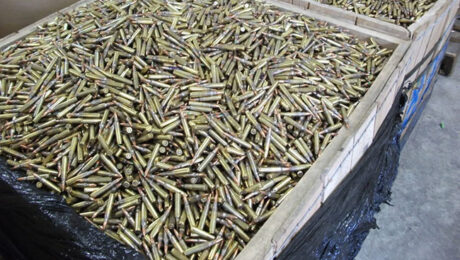
Is It OK to Clean Many Items In One Ultrasonic Cleaning Session
Ultrasonic cleaning is widely recognized for its ability to clean a variety of objects thoroughly and efficiently. Whether it’s delicate jewelry, industrial tools, medical instruments, or laboratory equipment, ultrasonic cleaners provide deep cleaning by using high-frequency sound waves and a specialized cleaning solution. A common question that arises for users, however, is whether it’s appropriate
- Published in Ultrasonic Technology
What Will I See and Hear when I Run My Ultrasonic Cleaner
Ultrasonic cleaners are powerful devices widely used across industries and households for efficient cleaning of various objects. By utilizing high-frequency sound waves and a cleaning solution, these devices remove dirt, grease, and contaminants from surfaces and intricate details that conventional cleaning methods cannot reach. If you’re new to using ultrasonic cleaners, you may wonder what
- Published in Ultrasonic Technology

Is It Okay to Dip My Hands In the Cleaning Bath While the Cleaner Is Running
In many industries and applications, cleaning baths—particularly ultrasonic cleaning systems—are indispensable tools for achieving thorough cleaning of various items. Whether in medical, automotive, jewelry, or manufacturing fields, these systems utilize high-frequency sound waves to dislodge contaminants from surfaces and crevices. However, one question that often arises among users is whether it is safe to dip
- Published in Ultrasonic Technology
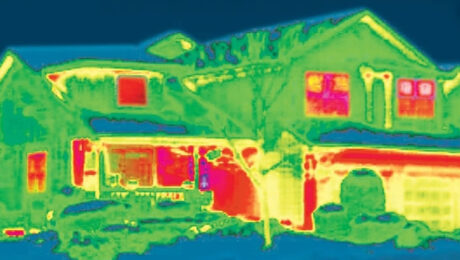
Pros and Cons of Infrared Detectors
Infrared detectors are widely utilized in a variety of industries, from security systems and healthcare to environmental monitoring and industrial automation. These devices work by sensing infrared radiation, which is invisible to the naked eye but constantly emitted by all objects above absolute zero. As technology advances, these detectors continue to grow in sophistication and
- Published in Ultrasonic Technology

Basic Knowledge of Ultrasonic Cleaners
Ultrasonic cleaners are widely recognized as efficient and effective tools for cleaning a variety of items, from delicate jewelry to industrial machinery components. By harnessing the power of high-frequency sound waves, these devices provide a thorough cleaning process that is unmatched by conventional methods. This article delves into the basic knowledge of ultrasonic cleaners, explaining
- Published in Ultrasonic Technology

Use of Ultrasonic Cleaners in Healthcare Industry
The healthcare industry relies on maintaining the highest standards of cleanliness and sanitation to ensure the safety of patients and medical professionals alike. Among the many technologies adopted to achieve this, ultrasonic cleaners have emerged as a revolutionary tool for sterilization and contamination removal. These devices utilize high-frequency sound waves for cleaning purposes, offering unparalleled
- Published in Ultrasonic Technology
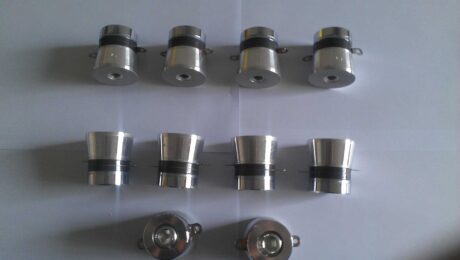
What Is the Proper Distance Between Transducers and Objects
Transducers play a critical role in a wide range of applications, including ultrasonic testing, medical imaging, and industrial monitoring. The distance between a transducer and the object it interacts with is a key factor that determines the accuracy, quality, and reliability of the results. Whether the application is in ultrasonic testing or other sensing technologies,
- Published in Ultrasonic Technology
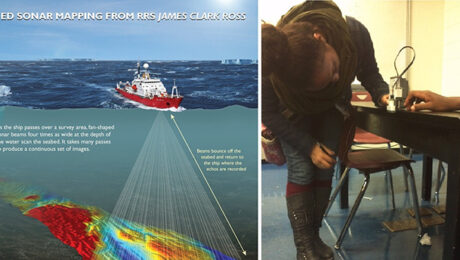
How to Measure Distance with Ultrasonic Waves
Ultrasonic waves have become a popular and reliable tool for measuring distance in various applications, ranging from industrial automation to robotics, automotive systems, and even simple DIY projects. The principle is based on the use of sound waves, which travel at a constant speed through the air. By calculating the time it takes for these
- Published in Ultrasonic Technology